latest news
Entertaining Eastenders
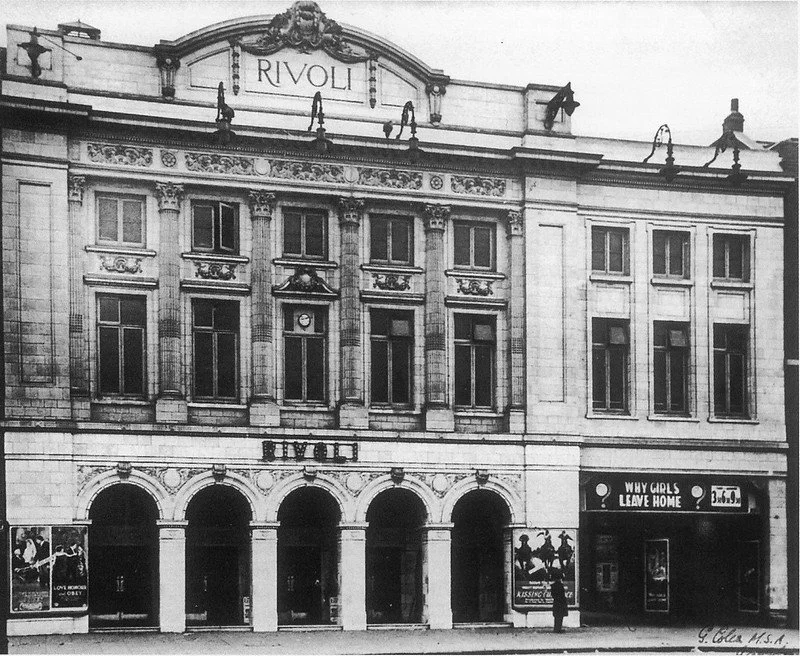
Ladies and gentlemen, the curtain is about to go up. Enjoy an entertaining evening at one of the local music halls, theatres and cinemas – from the Paragon to the Pavilion, the Rivoli to the Genesis.
Cheers! Some Whitechapel Pubs
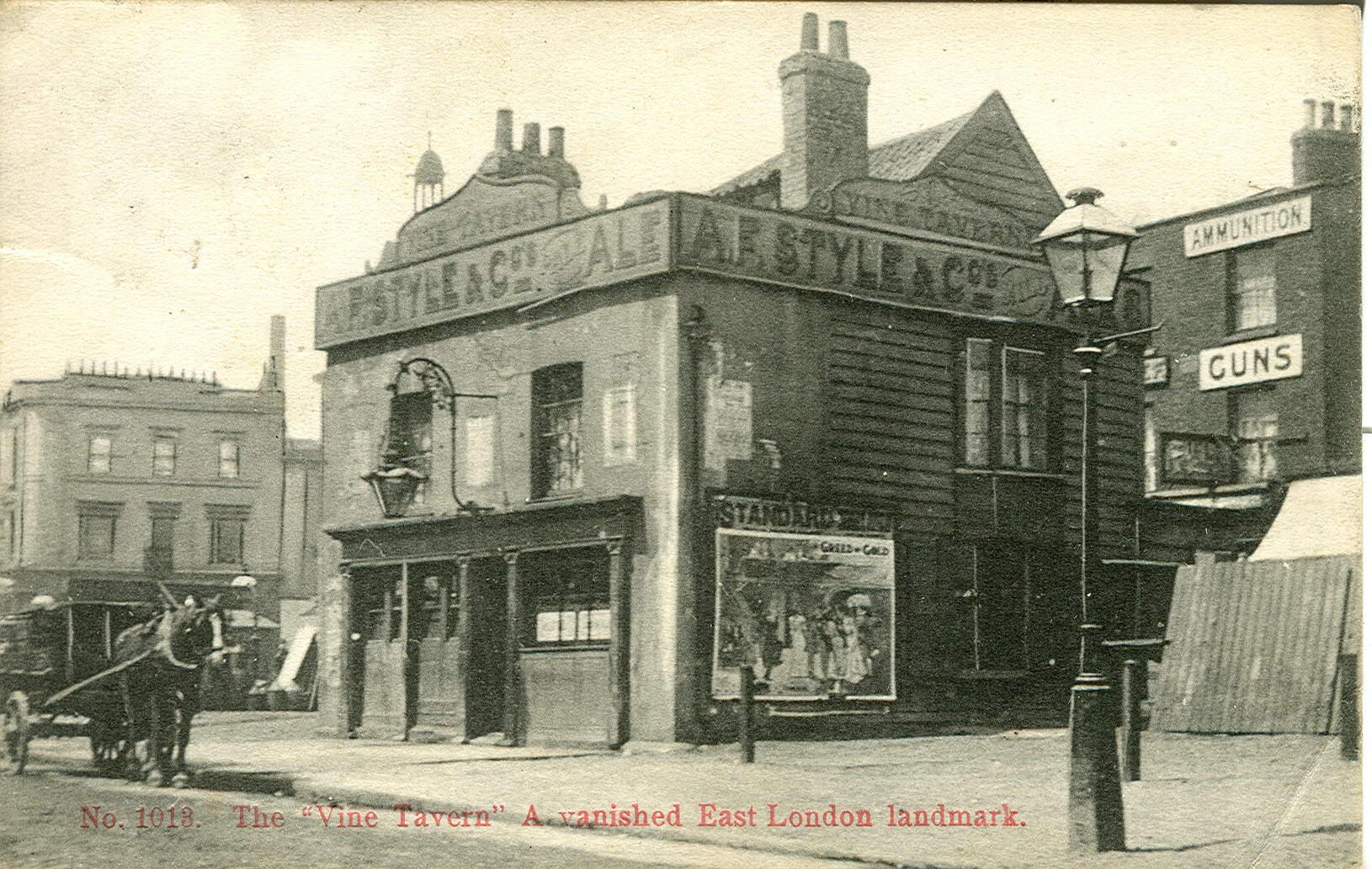
Vernon Hunte nips into a couple of local boozers, the George and the Peacock.
Steam, Soap and Suds: A Dip Into Whitechapel Washhouse
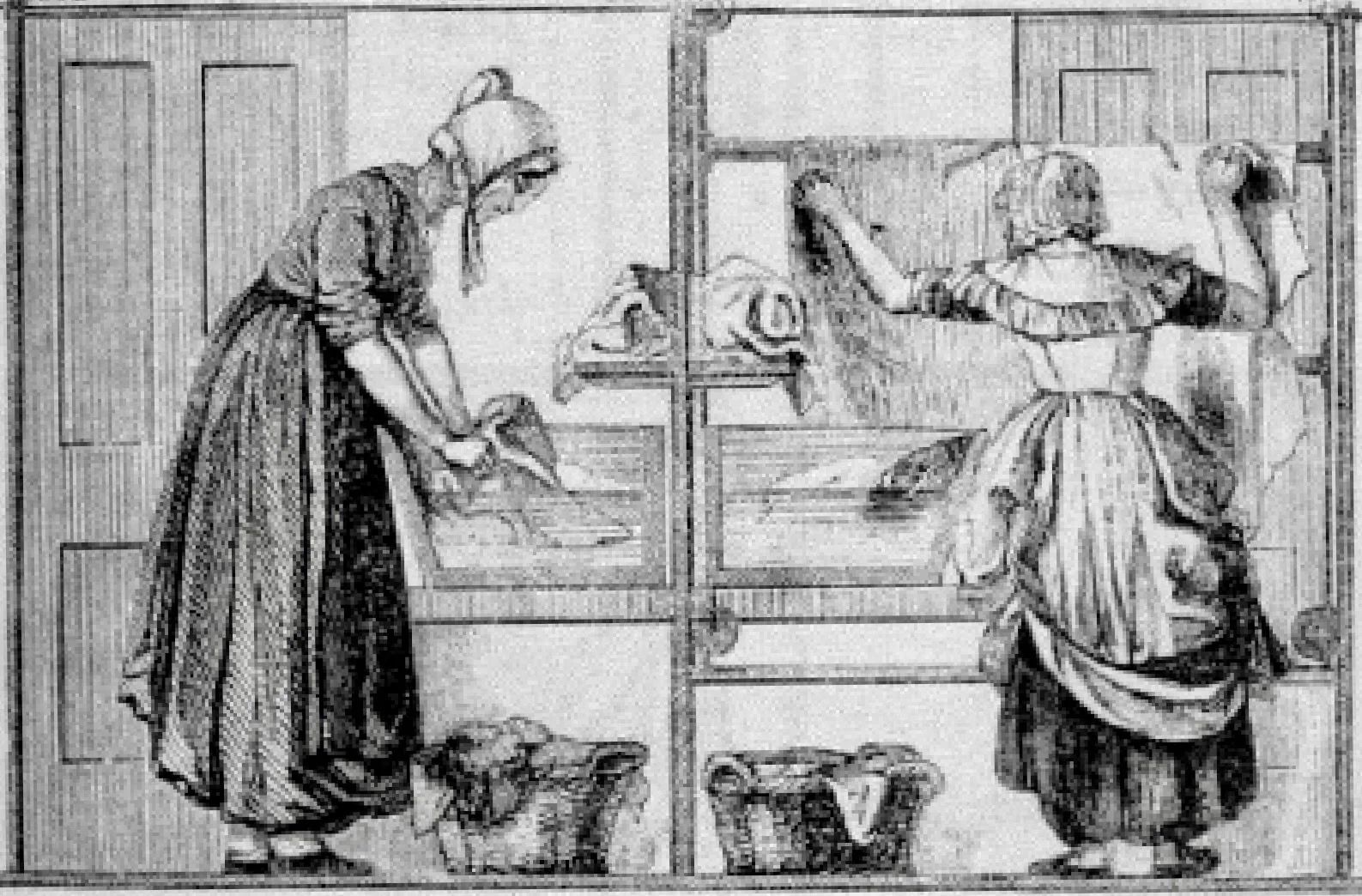
These days, we tend to take bathing and laundry facilities for granted. But when the Goulston Square Bath and Washhouse opened in 1847, it radically improved Whitechapel amenities and sanitation.
A Taste of Whitechapel
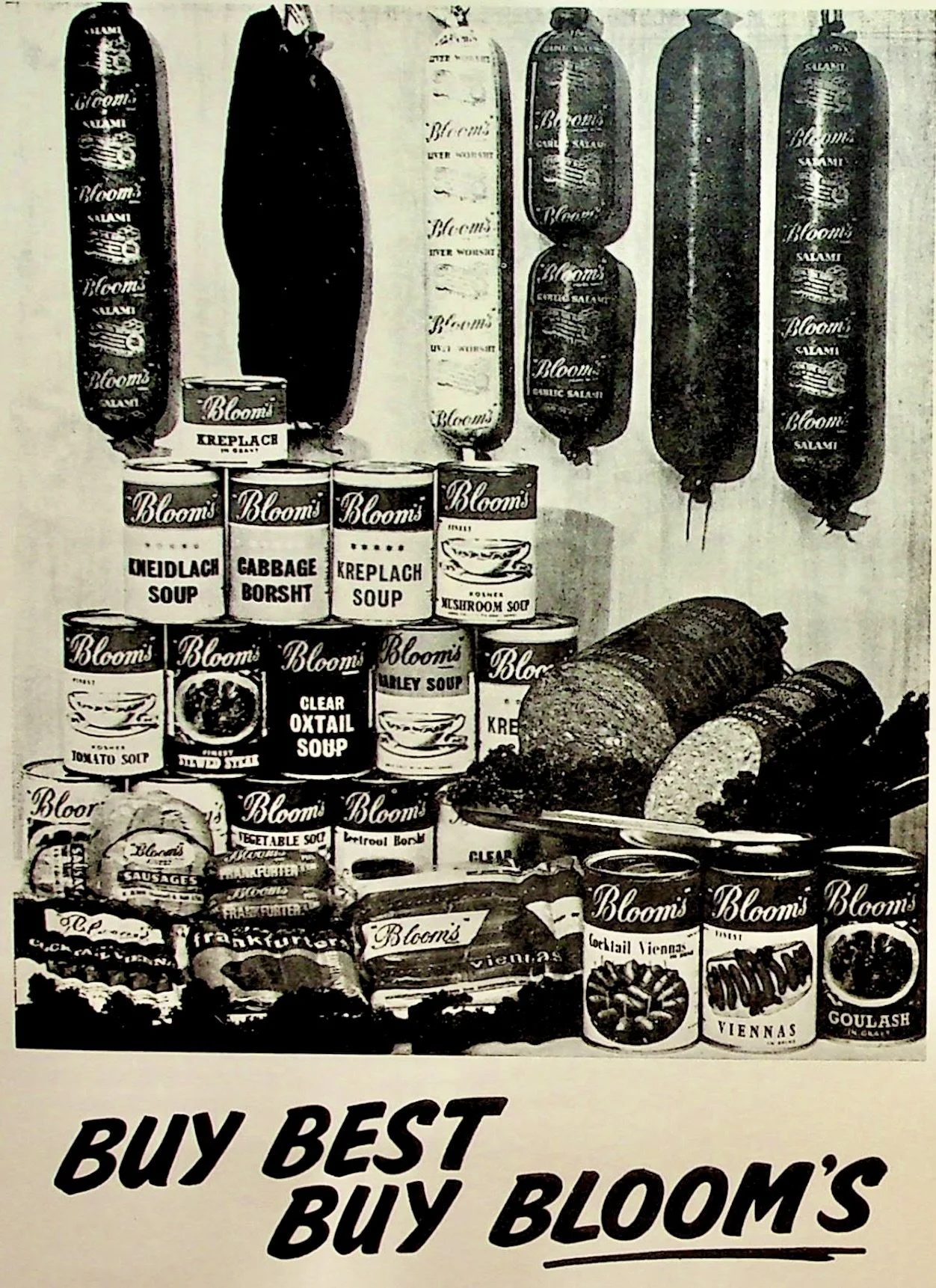
Tuck into some local Whitechapel fare – whether pie and mash, challah and croughdoughs, a salt beef beigel, or a Brick Lane biryani.
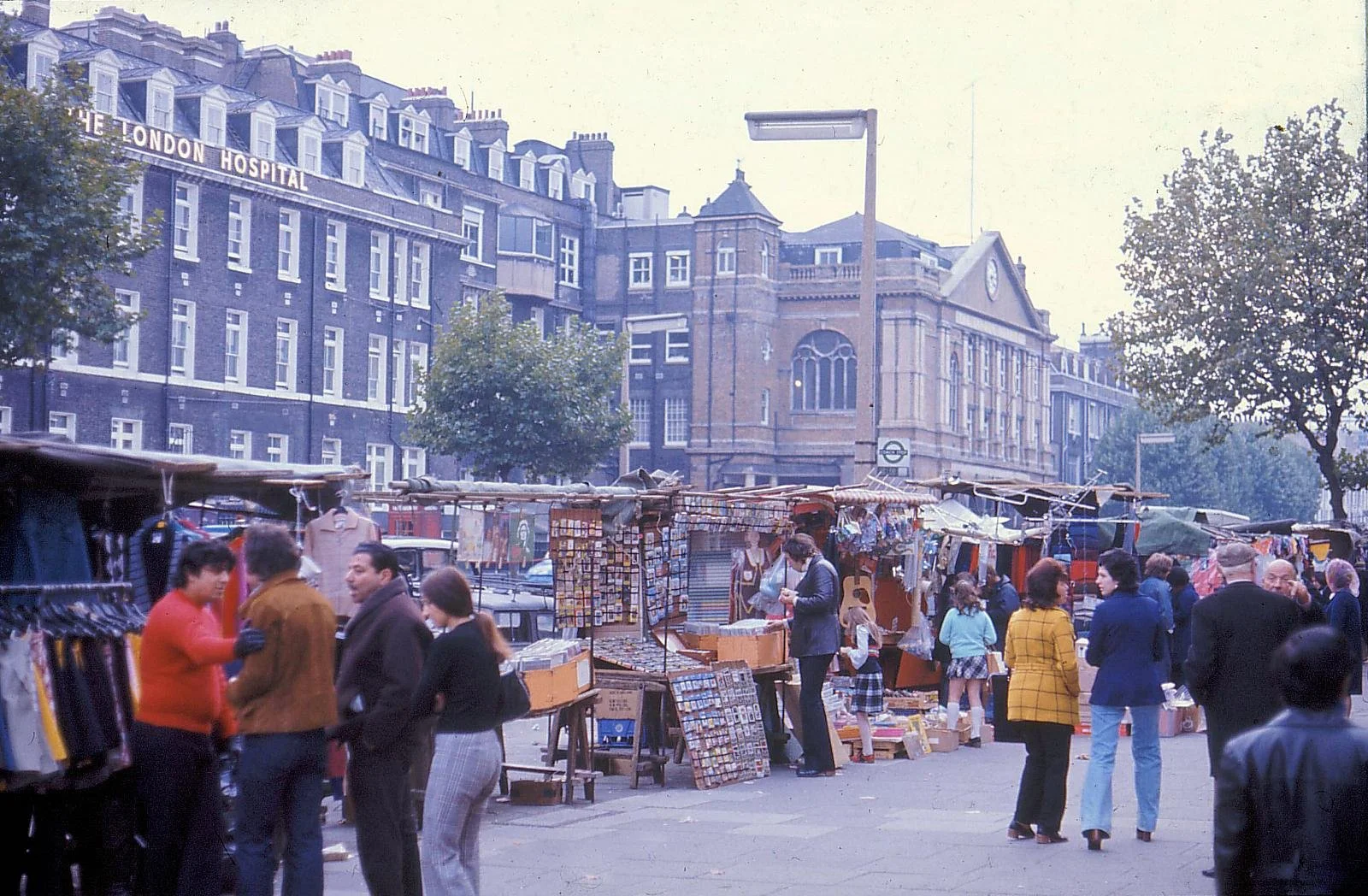
Whitechapel and Watney Markets
Bag a bargain as you stroll among the stalls at Whitechapel or Watney Market, offering pound-a-bowl fruit and veg, homewares, clothes and plenty more.
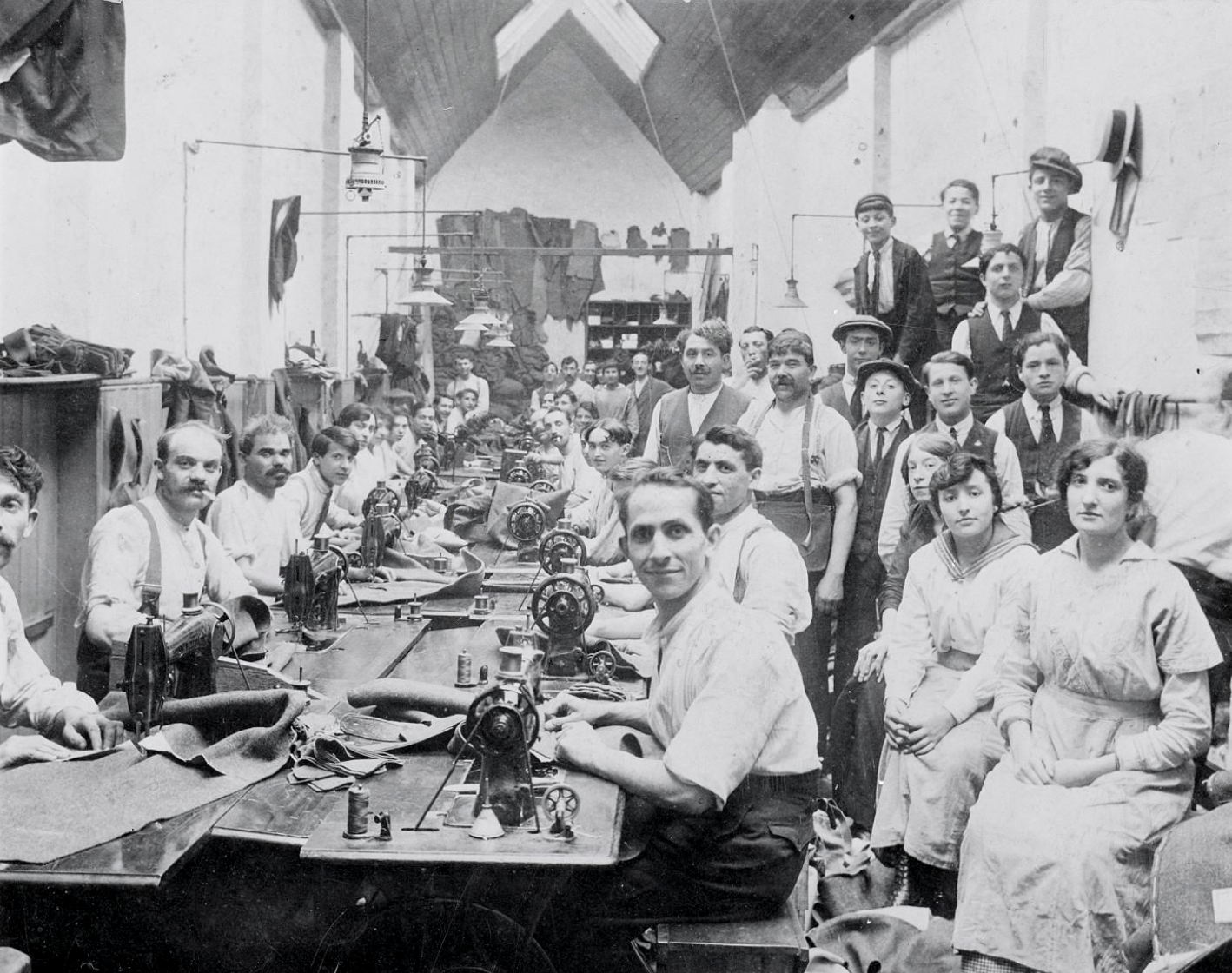
A Stitch in Time: The Rag Trade in Whitechapel
The workshops of Whitechapel once hummed with the sound of sewing machines, as local workers turned out all manner of garments, from high fashion gowns to everyday workwear, wedding dresses to military uniforms. Here we look at a couple of tailoring firms: Schneiders and Ellis & Goldstein.
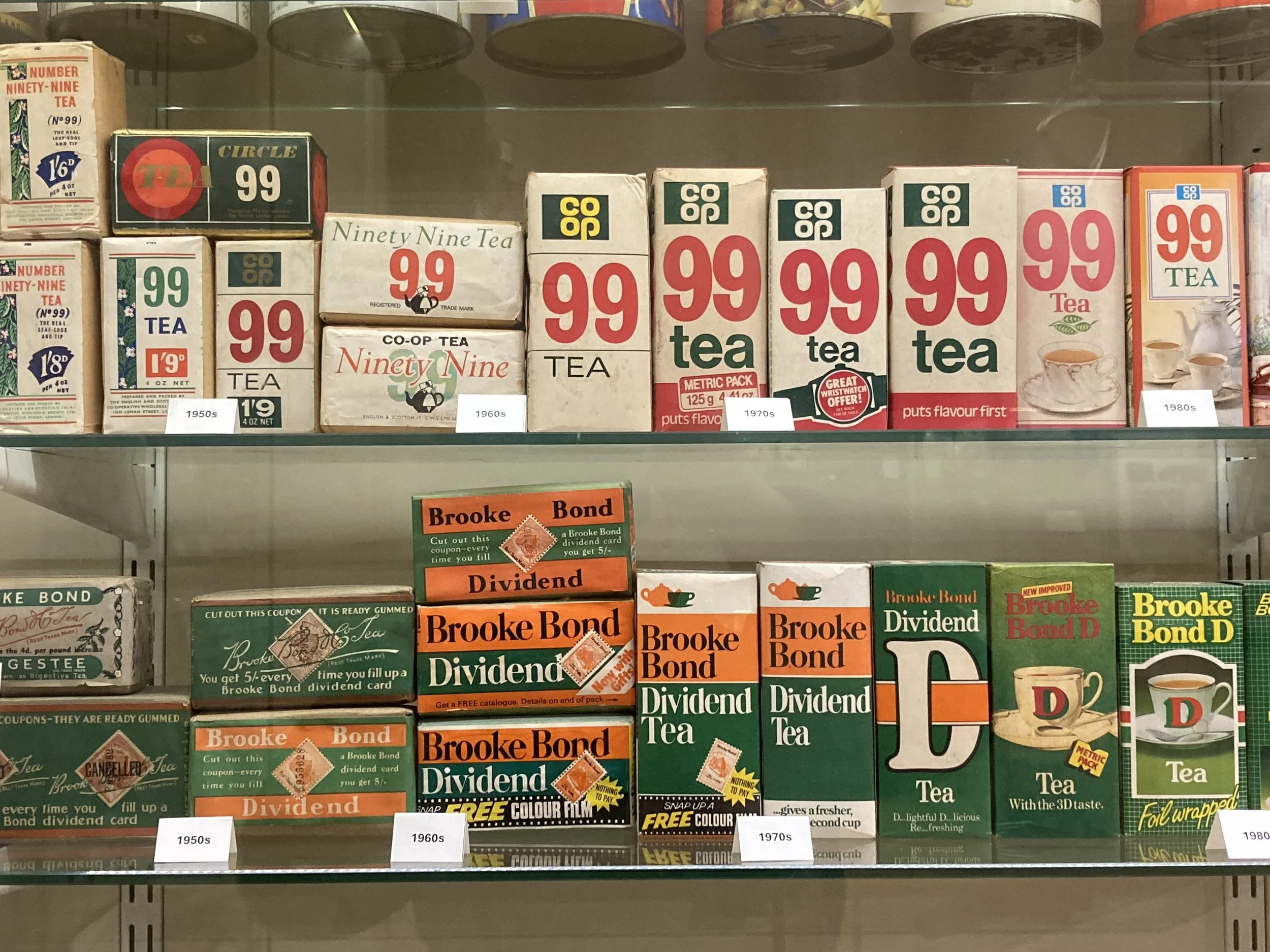
Trading Stories: Industrious Whitechapel
A glimpse of four industries that once flourished in Whitechapel: bell founding, tea handling, brewing, and ropemaking.
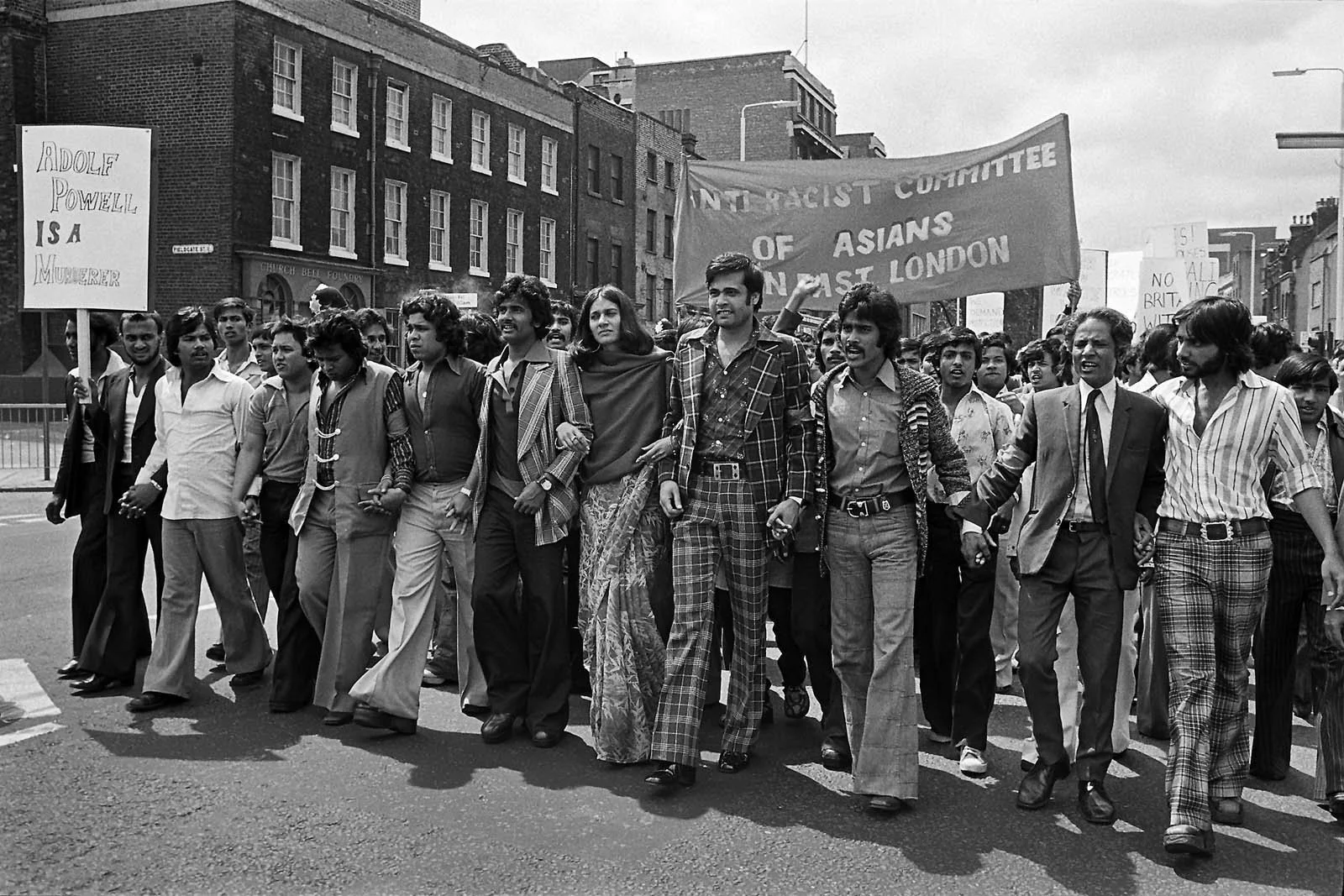
Protest! The Battle for Equality
In the 1970s, racial tensions in the East End were running high. The far-right National Front became a visible presence in the area, fuelling hostility towards immigrant communities, especially those of South Asian or Caribbean descent. In response, local residents rallied and organised demonstrations, such as the march (above) on Whitechapel Road in June 1976, led by the Anti-Racist Committee of Asians in East London.

Whitechapel at War
Both World Wars had a significant impact on Whitechapel. Thousands of local men were conscripted to serve in the armed forces, whilst many women took on responsibility in civil defence, managing family businesses, and producing munitions and other supplies. The proximity of the docks and industrial areas made the East End a target for bombing raids.

The Siege of Sidney Street
The Siege of Sidney Street was one of the most dramatic episodes in early 20th-century London, unfolding on 3rd January 1911 in Whitechapel.
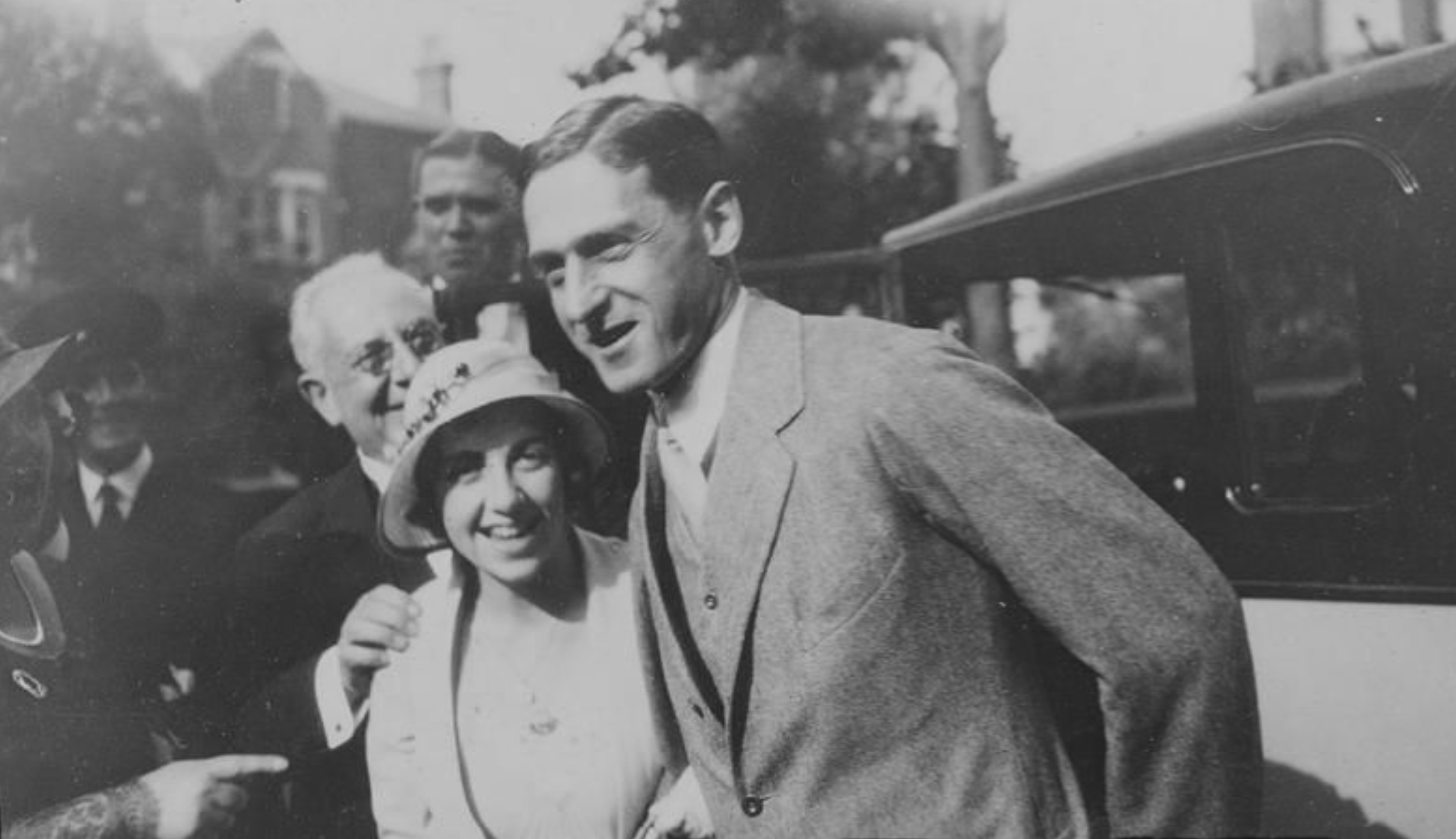
‘The Gaffer’ and ‘The Missus’: Basil and Rose Henriques
Born in 1890 into an affluent Sephardic Jewish family in West London, Basil Henriques was to become a lynchpin of the East End Jewish community when – along with his wife, Rose – he established the Oxford and St George’s Settlement.
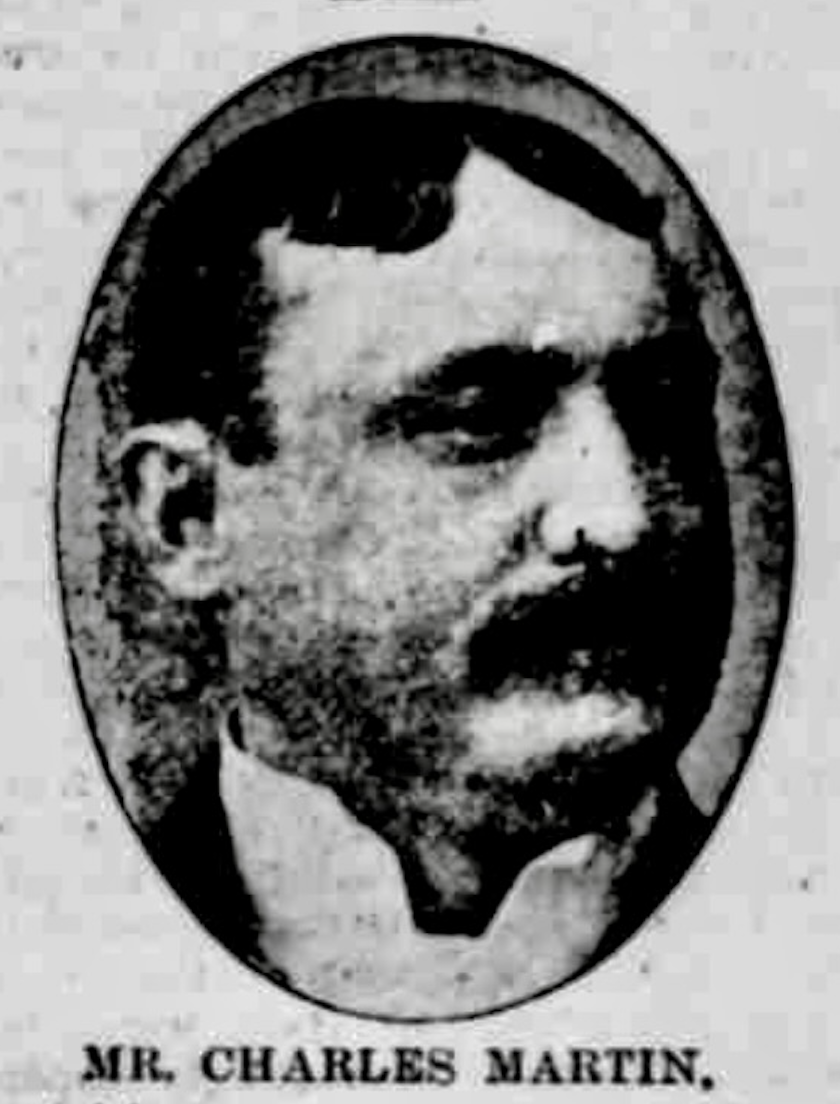
Portrait of a Publican: Charlie Martin of the Blind Beggar
Charles Martin is not a name that’s recognised in Whitechapel these days but, at his retirement after 31 years as landlord of the Blind Beggar, a local newspaper reported: “It would indeed be difficult to find in the whole of East London a better known or more respected man than Mr Martin” (Eastern Post, 8 Sept 1923). As a prominent publican, property developer, philanthropist and public servant, he was a pillar of the East End.
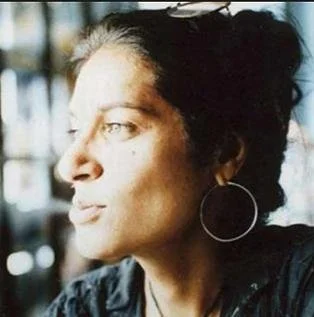
Reformers and Radicals
Look out for these social activists on the mural: founder of the Salvation Army, William and Catherine Booth; anarchist and the worker’s friend, Rudolf Rocker; communist campaigner, Max Levitas; and equality activist and housing campaigner, Mala Sen.
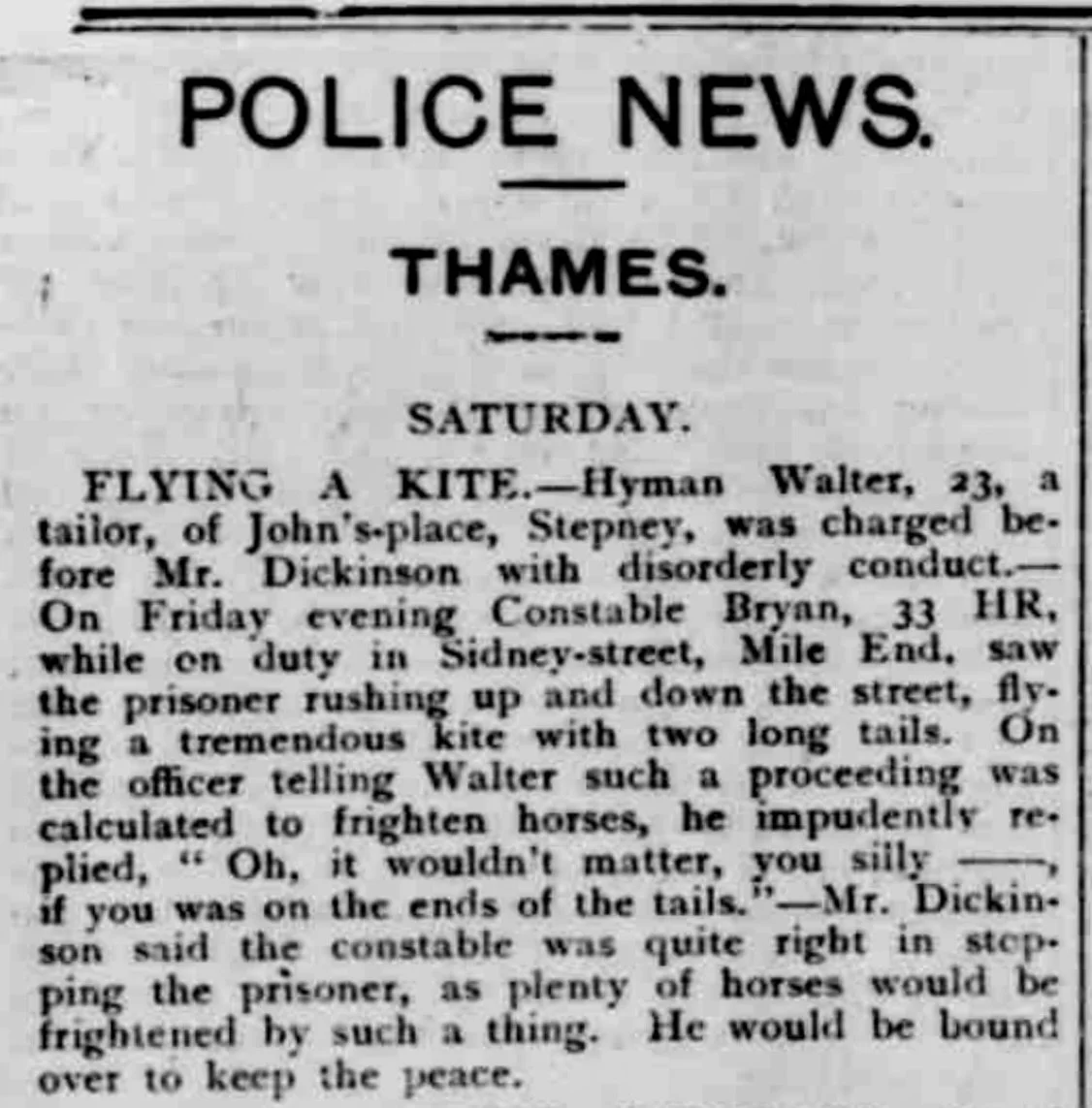
Around and About Sidney Street
There are stories everywhere you look in the East End. In these two pages, we dip into centuries of history – from the Romans to the present day – around and about Sidney Street.
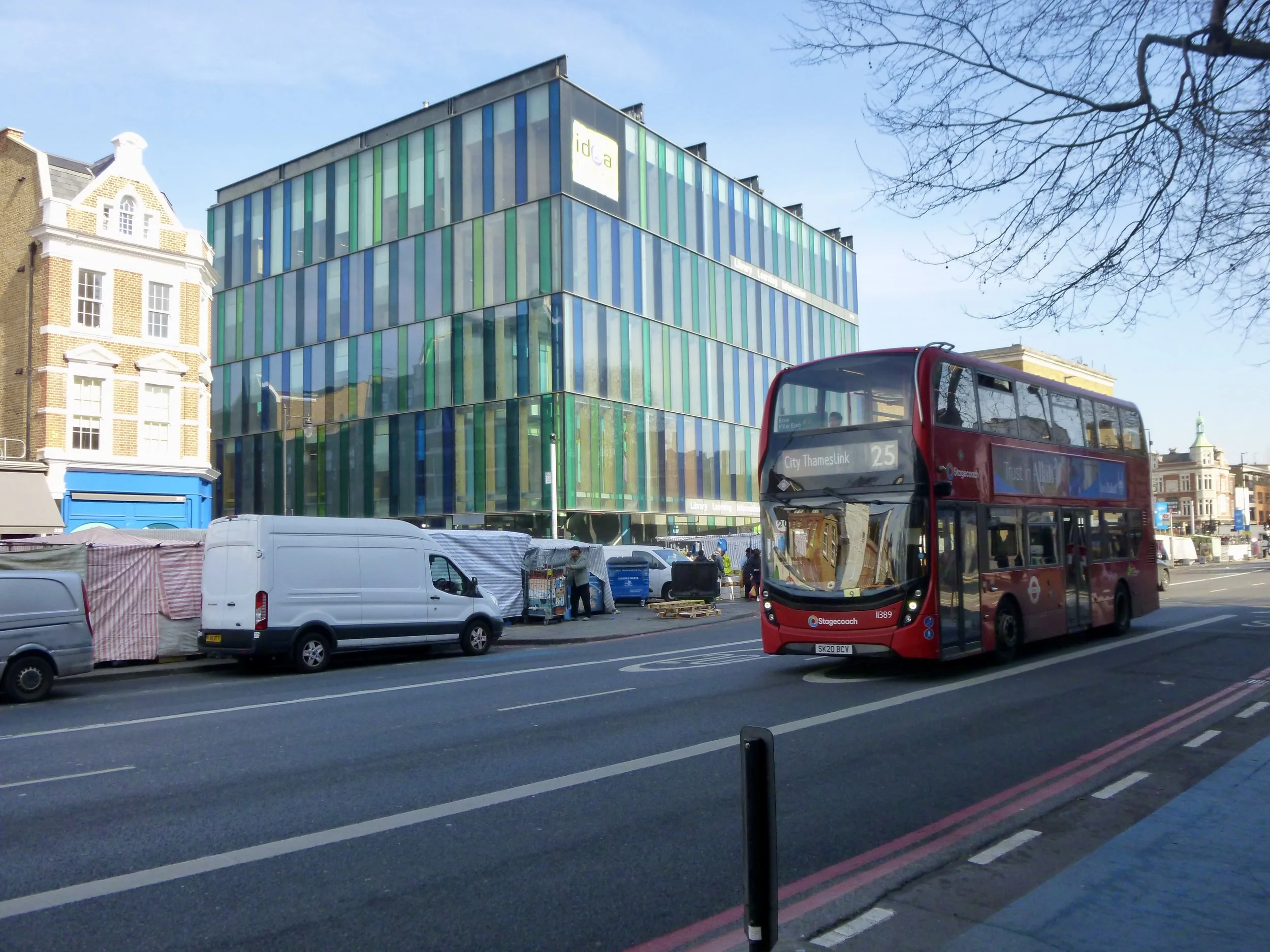
Bright Ideas
The Idea Stores in Tower Hamlets – including this one in Whitechapel – offer “library, learning, information” under one roof.
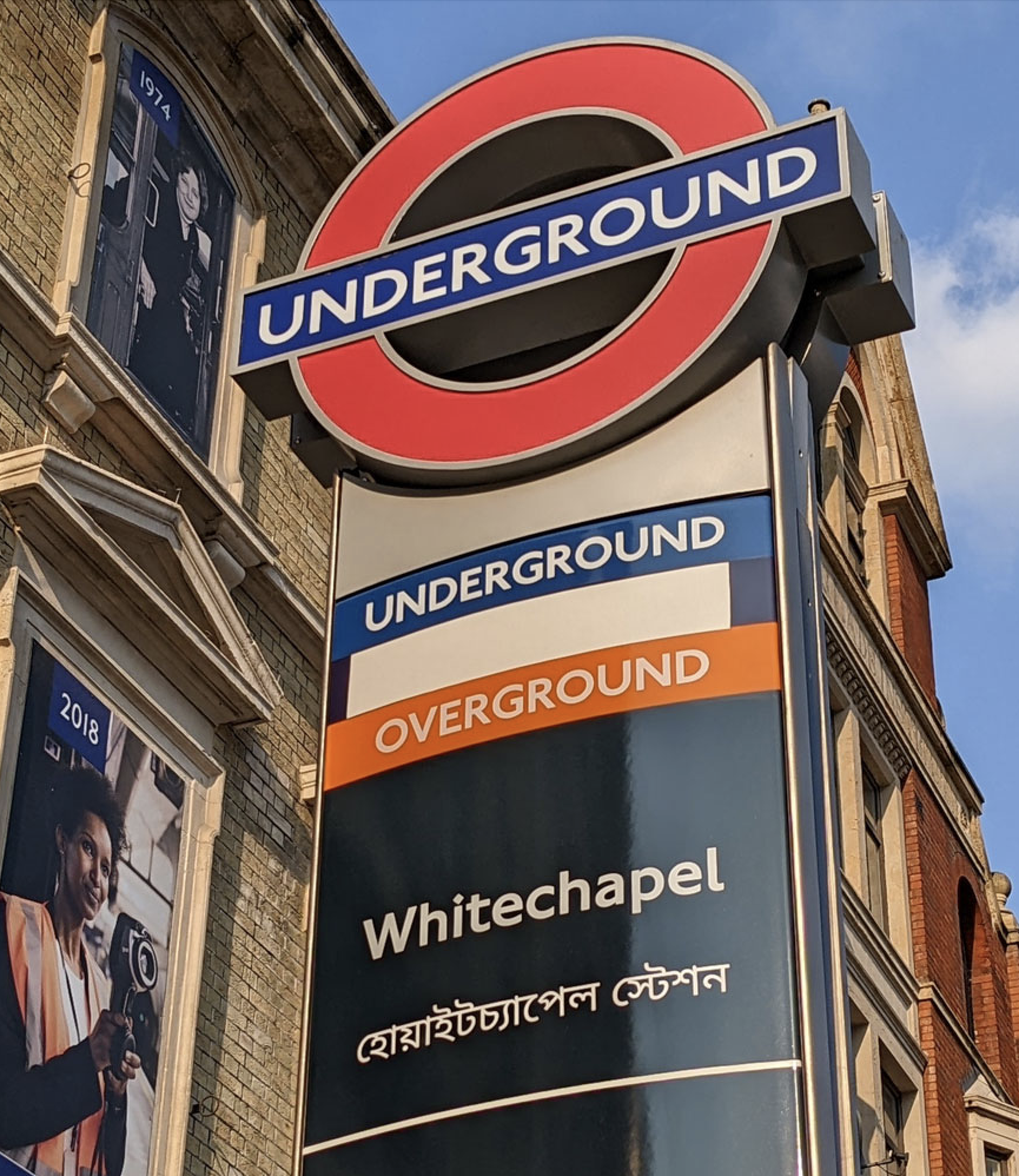
Going Underground
Opened in 1876 as part of the East London Railway, and later extended with the Metropolitan District Railway, and more recently the Elizabeth line, Whitechapel Station provides a vital transport hub for local residents and workers.
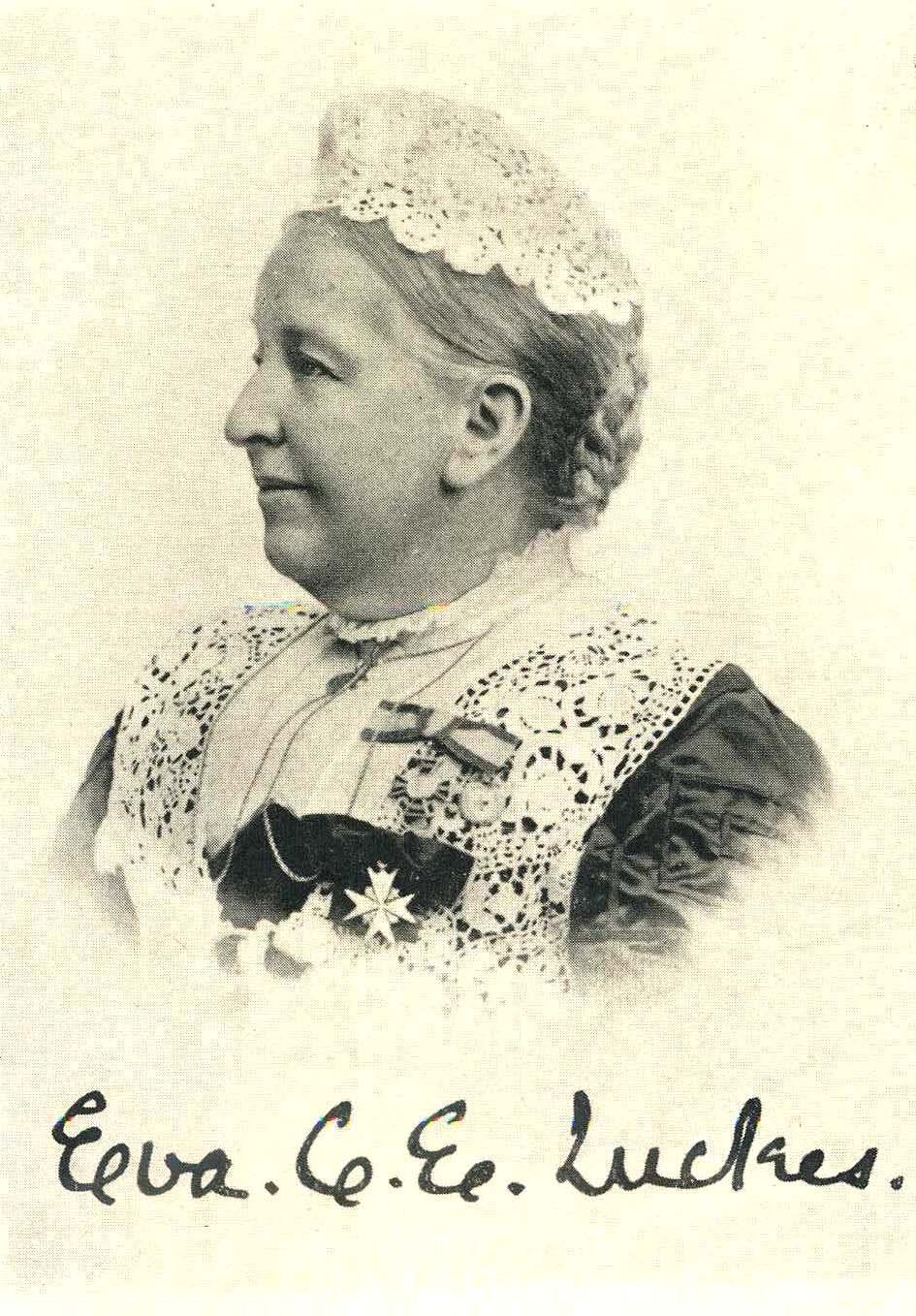
Royal London Hospital, Old and New
The Royal London Hospital, a world-renowned teaching hospital, has been serving East London for over 270 years. Originally based on Prescot Street as the London Infirmary – for “the merchant seaman and manufacturing classes” – it moved to Whitechapel Road in 1757 and has been a local landmark ever since.
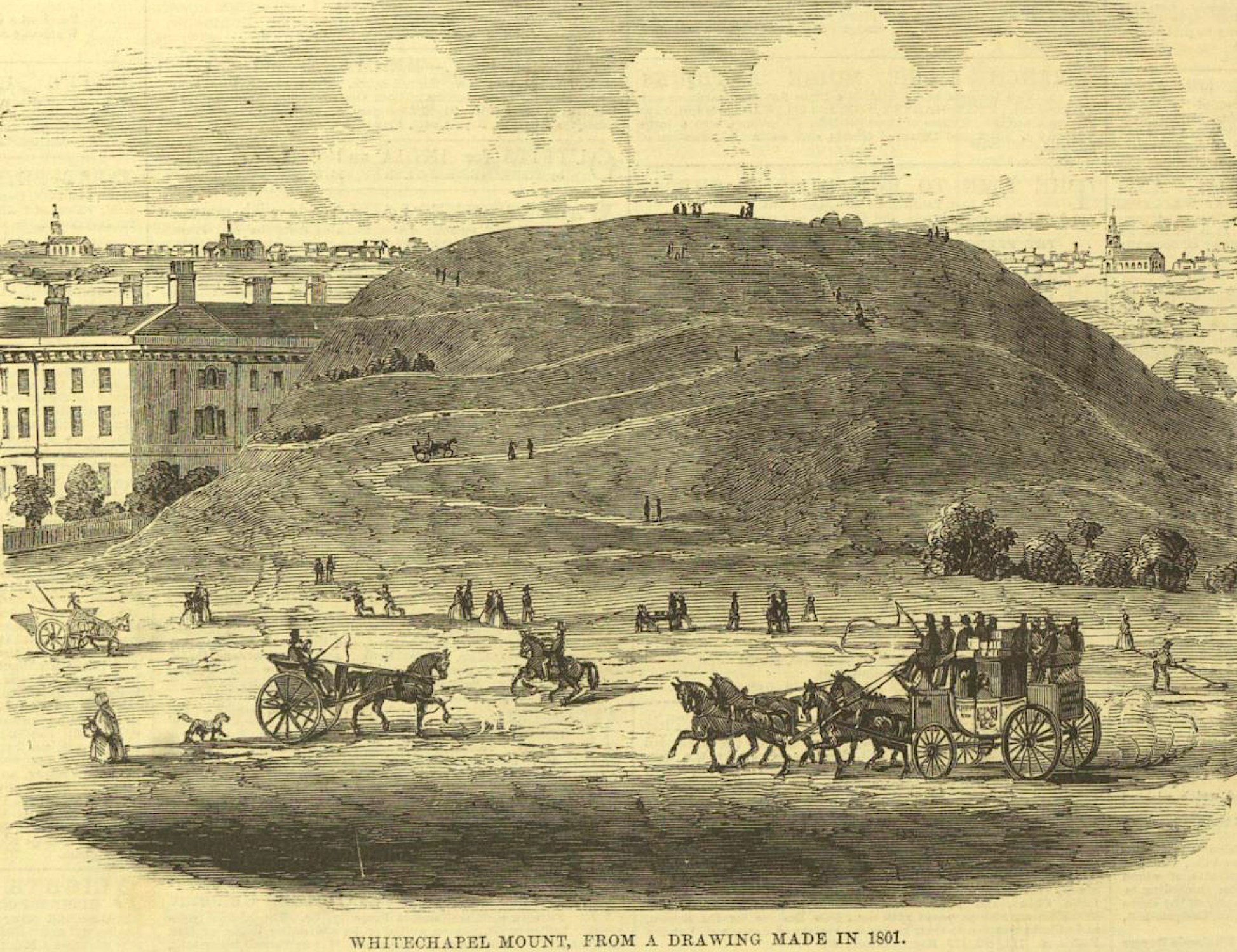
Moving Mountains: The Story of Whitechapel Mount
Nowadays, the street name of Mount Terrace – near the junction of New Road and Whitechapel Road – is the only indication that the enormous Whitechapel Mount stood here for more than 150 years. At 329 feet long, 182 feet wide and 25 feet high, it was taller than the adjacent London Hospital. In his article above, Leslie Armstrong investigates the rise and fall of Whitechapel Mount.
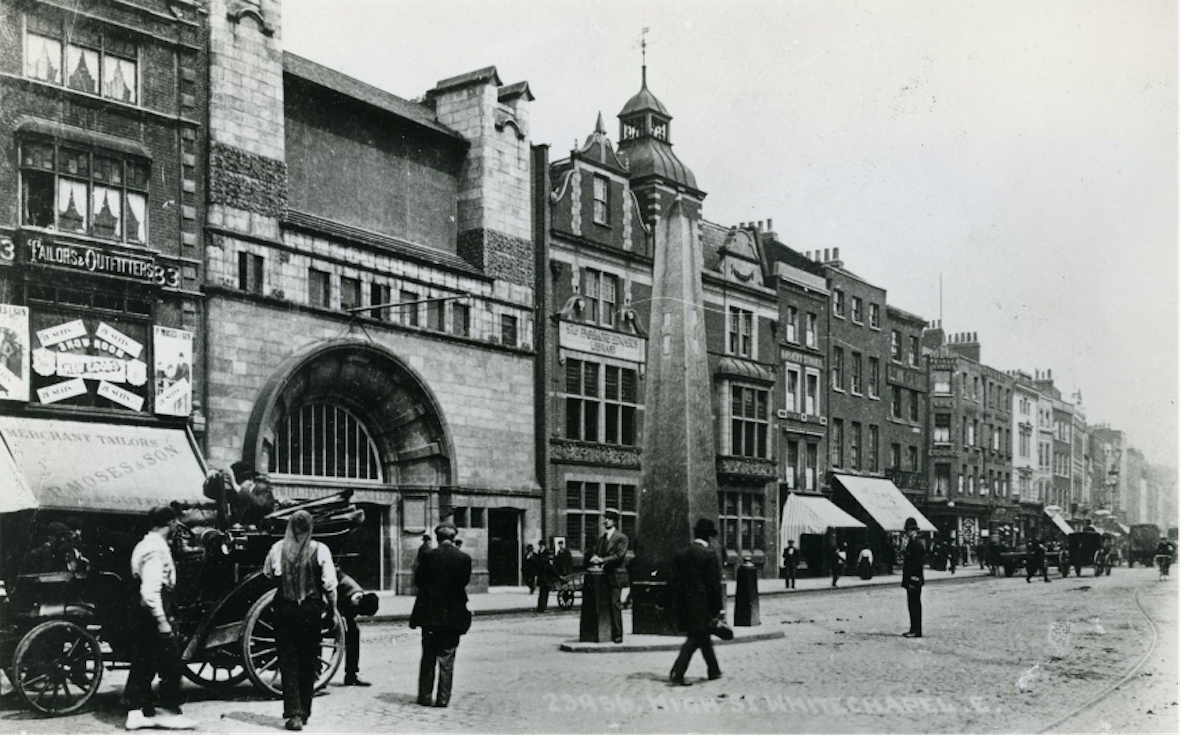
Art for All: Whitechapel Gallery
Picasso, Frida Kahlo, David Hockney, and Spitalfields locals Gilbert and George… all have had their artwork showcased at the Whitechapel Gallery. The Whitechapel has long played a pivotal role in London’s arts scene, hosting a vibrant programme of international contemporary art. And it’s especially proud of its place in kick-starting the careers of many up-and-coming artists.
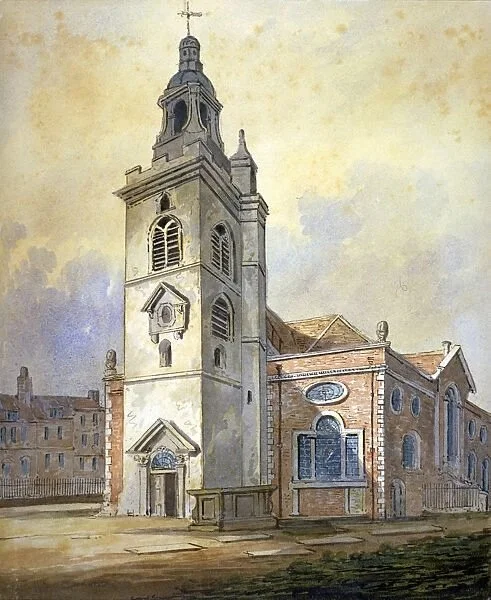
Faithful Foundations
Many faiths have made their home in Whitechapel over the years – Christians of different denominations, Jews, Muslims, Hindus, Sikhs, Buddhists and others – and the neighbourhood is speckled with places of worship.